
Financial: Comprehensive Data Security and Compliance Solution
The financial service data security focuses on protecting transaction data and customer information and needs to meet regulatory compliance requirements. As core assets, transaction data and customer information, once leaked, will damage the company's reputation and lead to legal liability and economic losses.
- 93% of data breaches involve financial information
- 60% of all data breaches are caused by human error
Common Issues of Financial Service Data Security
- 1. Escalating Breaches and Compliance Overload
- 2. Lagging Protection Against Insider Threats
- 3. Lack of Demonstrable Compliance Evidence
How Does CyberServal DDR Solve Financial Data Security Issues?
To precisely counter these core challenges, the DDR (next-gen DLP solution) provides comprehensive and targeted security assurances, delivering peace of mind and compliance:
Data Governance: Ensuring Financial Regulatory Compliance
DDR (next-gen DLP solution) ensured all data handling practices adhered to global financial regulations such as PCI DSS. This included implementing automated processes to delete non-compliant files from endpoints, preventing unauthorized storage of sensitive information, and restricting the movement of PII data.
Next-Generation DLP: Real-Time Monitoring and Risk Mitigation
DDR (next-gen DLP solution) provided real-time monitoring of user activities and data flows within the bank’s IT infrastructure. Through advanced analytics and risk scoring, DDR (next-gen DLP platform) could identify and mitigate potential data leakage incidents before they could escalate, ensuring proactive protection of sensitive information.
Comprehensive Reporting and Audit Trails: Easily Demonstrate Compliance
DDR (next-gen DLP solution) offered detailed reporting and audit trail capabilities, allowing the bank to maintain thorough records of data access, usage, and compliance activities. This not only facilitated internal audits but also ensured that the bank could demonstrate regulatory compliance to external auditors and regulatory bodies.
How CyberServal DDR Prevent Financial Data Loss
Traders leak sensitive transaction data via IM or cloud drives.
DDR (next-gen DLP security solution) can strictly control external sending channels such as instant messaging tools and network disks, intercept or approve external sending of sensitive information, thus protecting transaction data and customer information from leakage.
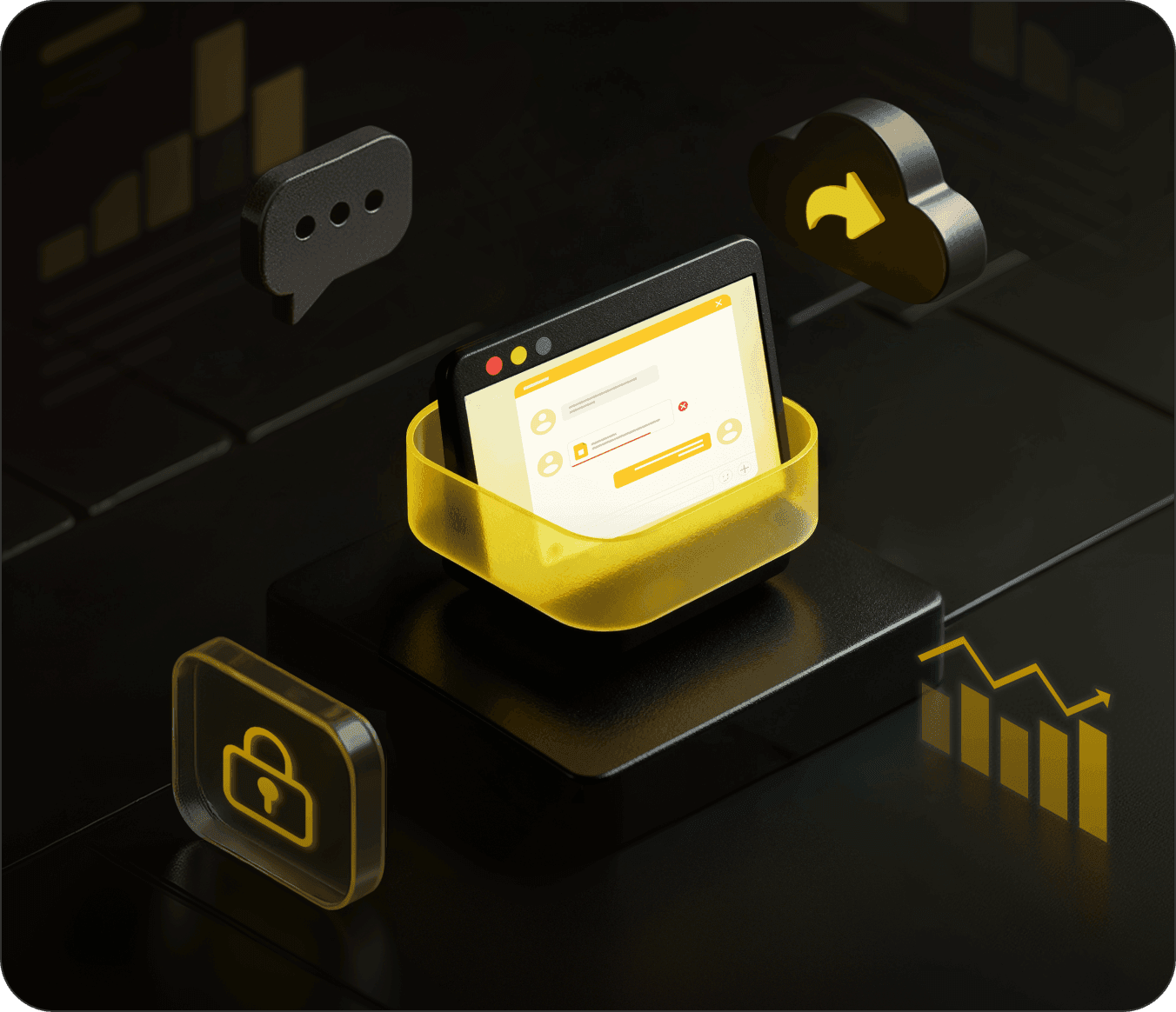
Developers leak core code/test data via email or code platforms.
DDR (next-gen DLP security solution) can monitor and control external distribution channels such as emails and code hosting platforms, and support encryption and access control of code files to prevent the leakage of core code and test data.
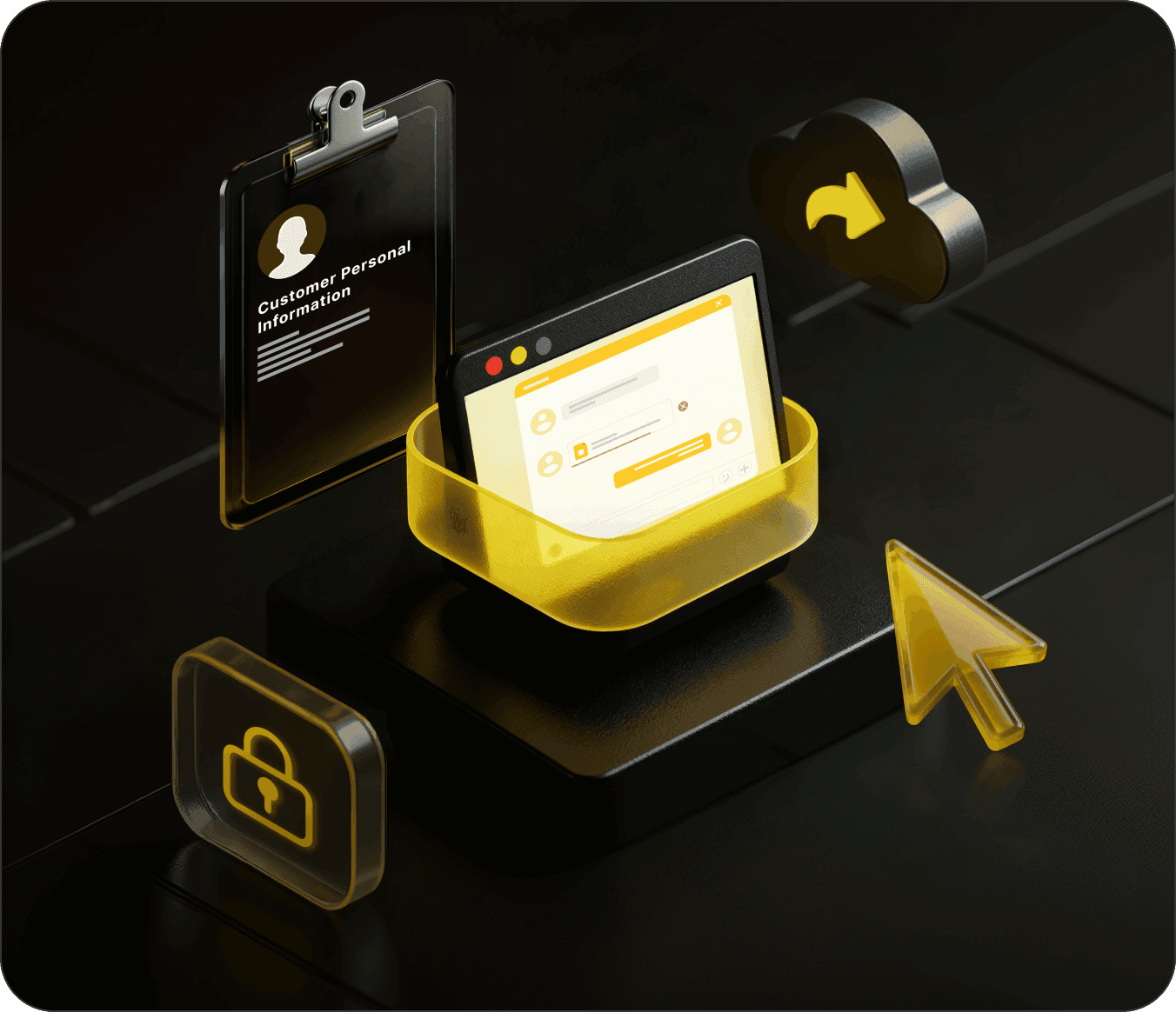
Customer service leaks PII via clipboard to unauthorized chat/docs.
DDR (next-gen DLP security solution) can control clipboard behavior, restrict the copy and paste operations of sensitive data, support the auditing and blocking of clipboard content, and protect the security of customers' personal information.
Financial Data Protection Best Practice

Financial Data Protection FAQs
Data Breaches and Compliance
Increasing Frequency of Data Breaches: Data breaches are becoming more common, partly due to companies neglecting security for cost savings.
Compliance and Regulations: Financial service data security must adhere to strict compliance requirements, such as PCI compliance, which can be complex and costly.
Security Practices and Tools
Password Security: Simple password systems are no longer considered secure, and multi-factor authentication (MFA) is highly recommended.
Encryption: While encryption is essential, it is not a silver bullet.
Data Retention Policies: Organizations should have clear data retention policies to minimize the risk of breaches.
Human Factors
Insider Threats: A significant risk comes from employees who may unintentionally or maliciously compromise data.
Phishing and Social Engineering: These are common attack vectors, emphasizing the need for user education.
Emerging Threats
AI and Machine Learning: While AI and ML can improve security, they also present new challenges.
Geopolitical Risks: Nation-states and organized crime groups are increasingly involved in cyber-attacks.